

Analysis of the Major Cost Factors Affecting Solar Street Light Prices: Energy Storage Systems and Photovoltaic Modules Take Centre Stage
author: Jacob K
2026-04-18
When making procurement decisions for solar street lights, price remains a key consideration. However, the wide variation in market quotations—ranging from a few hundred to several thousand yuan—often leaves buyers perplexed. This article provides an in-depth analysis of the cost structure of solar street lights, revealing the primary cost factors that influence their price, to assist you in making informed decisions regarding budgeting and product selection.
I. In-Depth Analysis of the Major Cost Factors
-
Lithium-Ion Battery Energy Storage System (Accounting for approximately 25%–40%)
As the system’s ‘energy reservoir’, the cost of the lithium-ion battery directly impacts the streetlight’s runtime, overall lifespan and low-temperature performance. The higher the capacity, the longer the runtime during cloudy or rainy weather (typically designed for 3–7 days), and the superior the cell material (e.g., lithium iron phosphate has a longer cycle life than standard ternary lithium), the higher the price. Industry data shows that the lithium-ion battery storage system can account for 40% of the cost of a single system, making it by far the largest cost component.
-
Solar Photovoltaic Panels (accounting for approximately 25%–40%)
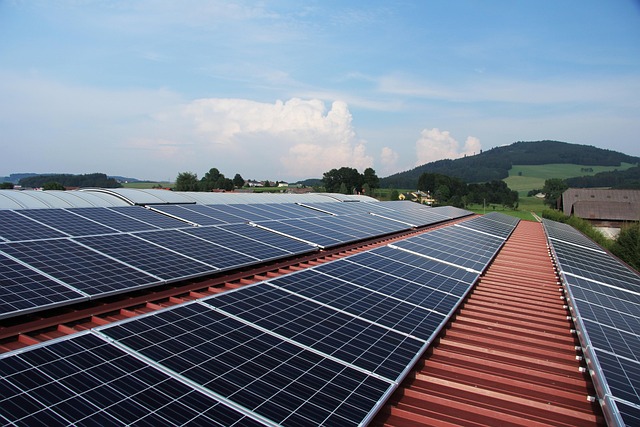
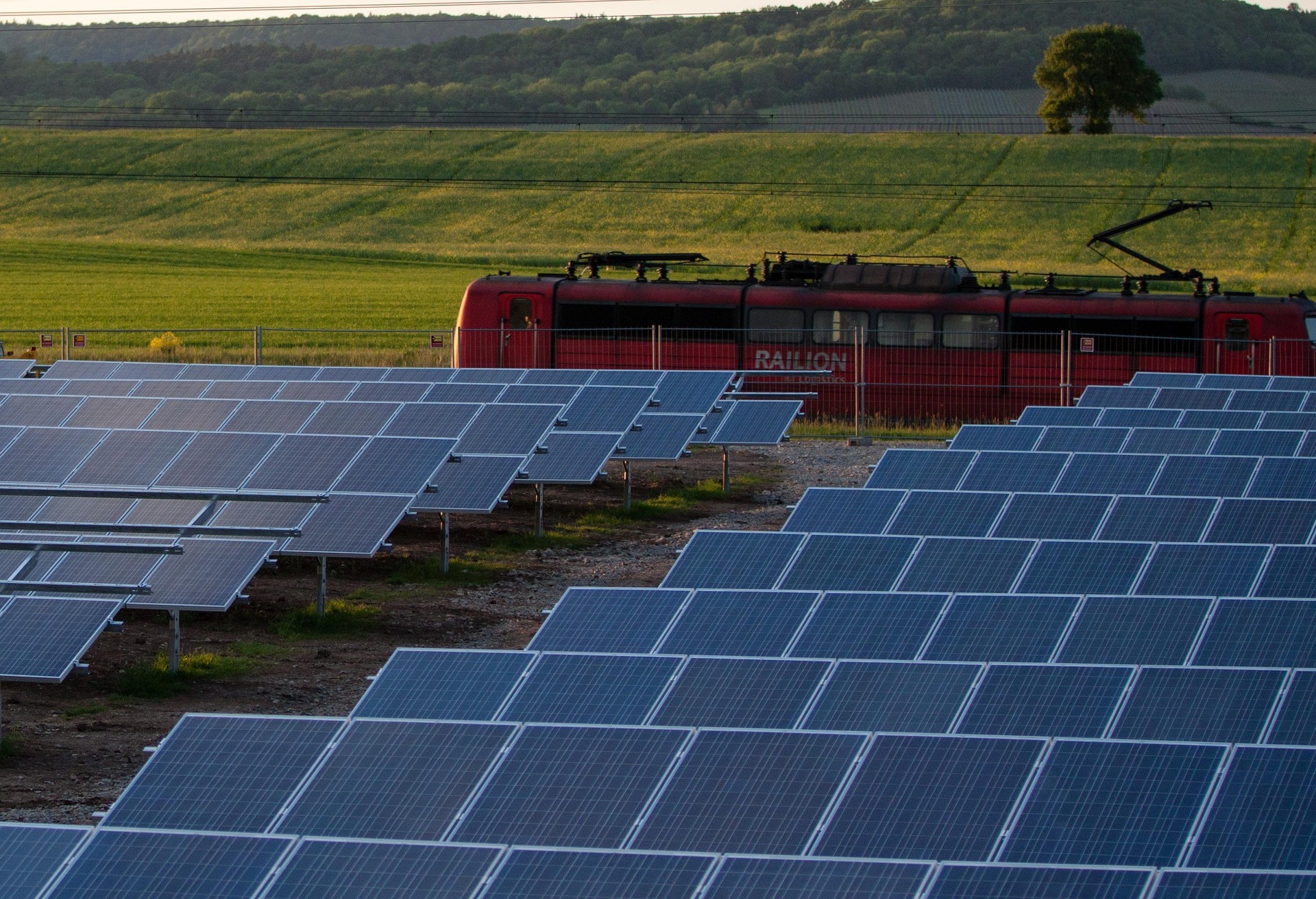
Photovoltaic panels are responsible for converting solar energy into electrical energy; their conversion efficiency and power output directly determine the charging speed. Currently, mainstream monocrystalline silicon panels have higher efficiency than polycrystalline silicon panels, and are correspondingly more expensive. The power rating of photovoltaic panels must be adapted to the average annual sunshine hours in the installation area; regions with low sunlight require panels with higher power ratings to ensure charging efficiency, which directly drives up costs. This cost component can account for up to 35% of the total cost or 28% of the equipment cost.
II. Other Key Cost Components
-
LED light sources and controllers (accounting for approximately 10%–20%): The power rating of the light source (e.g. 30W, 60W, 100W) and its luminous efficacy, as well as the sophistication of the controller (e.g. standard time control, smart light control, motion sensing, remote monitoring), also significantly influence the price. Smart features may increase the price by 20%–50%.
-
Light Poles and Structural Components (accounting for approximately 15%–25%): The height of the light pole (commonly 3–8 metres), material (e.g. galvanised steel), wind resistance rating and manufacturing complexity constitute this cost component.
-
Installation, transport and ancillary costs: This component includes labour costs for casting lamp post foundations and installing and commissioning equipment, as well as logistics costs from the factory to the site. For large-scale projects, these costs must also be carefully calculated.
In summary, lithium-ion batteries and solar photovoltaic panels are the two key drivers of price fluctuations in solar street lighting. By focusing on the performance parameters and quality of these two components, one can not only effectively control costs but also ensure that the project receives a long-lasting and reliable source of light.
Nande Solar Rural Street Light
Nande Solar Surveillance Customer Feedback in Kenya