

Solar Street Light Pricing: Components and Comparison
author: Jacob K
2025-08-30
The price of solar street lights varies significantly based on configuration, functionality, and procurement scale, offering options ranging from highly economical basic models to high-specification professional models.

Core Components and Pricing Factors
The cost of solar street lights is primarily influenced by the following core components and factors:
Photovoltaic Modules:
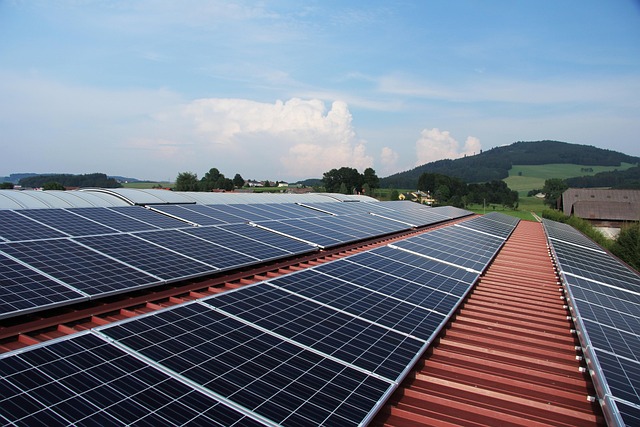
Also known as solar panels, these convert sunlight into electricity. Monocrystalline silicon panels typically offer higher conversion efficiency but come at a premium, costing approximately 10%-15% more than polycrystalline silicon panels. Higher power ratings (commonly 30W-200W) command higher prices.
Battery:
Stores electricity for nighttime or cloudy conditions. Lithium batteries are widely used for their long lifespan and stable performance, but cost 30%-50% more than traditional gel batteries. Higher battery capacity (typically 20Ah-100Ah) provides longer endurance but also increases price.
Light Source:
Primarily LED lamps, where power (e.g., 30W-100W) and luminous efficacy impact illumination quality and price.
Light Pole & Material:
Pole height (typically 4m-12m) and material directly influence cost. Galvanized steel poles, especially those with hot-dip galvanization, offer superior corrosion resistance but cost more than standard steel or aluminum alloy. Higher poles correspondingly increase manufacturing costs.
Smart Controller:
Basic functions like light sensing, time control, and overcharge/discharge protection are standard. Adding features such as remote monitoring, human presence detection (adding 100-500 RMB), or Wi-Fi control significantly raises the price.
Brands and Certifications:
Well-known brands may carry a premium, but they typically offer greater assurance in quality and after-sales service. Products from companies holding quality management system certifications like ISO 9001 may also be slightly more expensive due to stricter quality control standards.
Procurement Scale:
Bulk purchases generally yield more favorable unit prices. For instance, large-volume orders (e.g., over 100 sets) may receive discounts of 20%-30% below retail prices.
Location and Installation:
nstallation complexity, transportation costs, and whether installation services are included (installation fees are usually charged separately) also impact total costs. Some regions may offer policy subsidies for municipal projects.
Special Requirements and Customization:
Custom configurations for specific environments (e.g., low-temperature batteries for northern regions, highly corrosion-resistant lamp bodies for coastal areas) or smart streetlights integrated with additional functions (e.g., surveillance) will command higher prices.
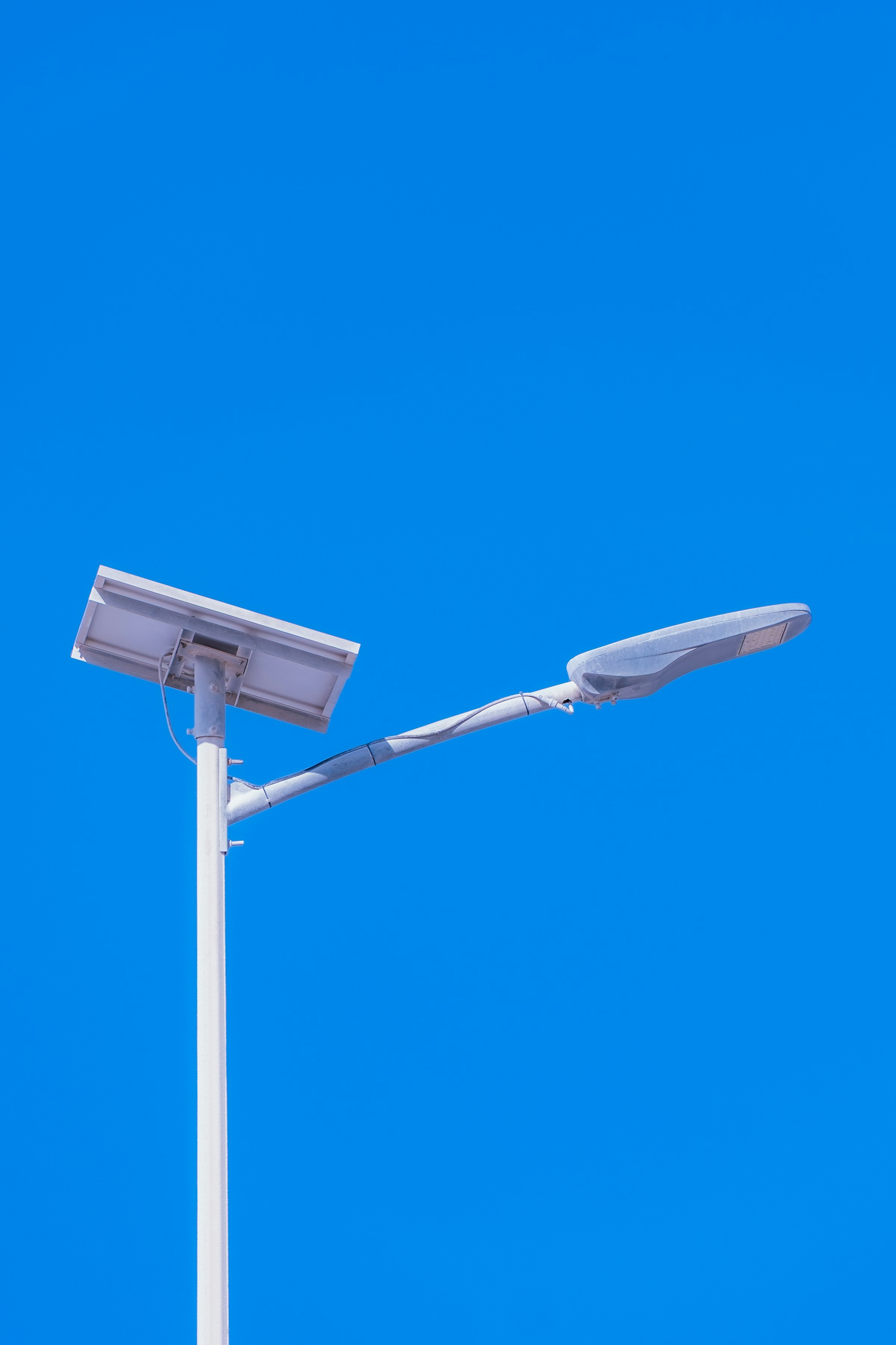
Choosing solar street lights is a matter of personal preference and budget. The key is to balance actual usage, budget, and quality requirements. By clarifying your needs, focusing on core components, selecting reliable suppliers, and carefully comparing options, you can find products offering better value for money.
Solar-Powered Parking Lot Lights: Advantages and Guide
5 Simple Tips To Extend The Life Of Your Solar Batteries