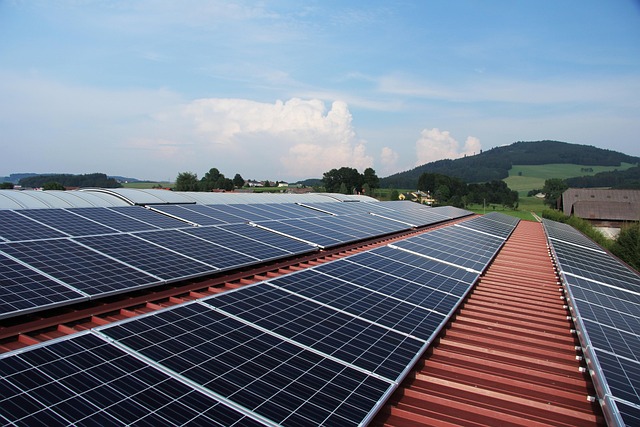


How do solar panels work?
author: JACOB K
2025-05-23

Solar panels convert sunlight into electricity through the photovoltaic (PV) effect. When photons from sunlight strike the semiconductor material (usually silicon) in solar cells, they
knock electrons loose, creating an electric current. This direct current (DC) is then converted to alternating current (AC) via an inverter for practical use.
knock electrons loose, creating an electric current. This direct current (DC) is then converted to alternating current (AC) via an inverter for practical use.
What are solar panels made of?
Key components of solar panels include:
1. Photovoltaic Cells: Typically monocrystalline or polycrystalline silicon cells that generate electricity.
2. Tempered Glass Layer: Protects cells from weather and debris while allowing light transmission.
3. Encapsulant (EVA Film): Bonds cells to the glass and backsheet, preventing moisture damage.
4. Aluminum Frame: Provides structural support and durability.
5. Backsheet: Insulates and shields the panel from environmental factors.
6. Junction Box: Connects the panel to external circuits.
Why are solar products a future trend?
Solar energy is critical for sustainable development due to:
1. Renewability: Sunlight is inexhaustible, unlike fossil fuels.
2. Eco-Friendliness: Zero greenhouse gas emissions during operation.
3. Cost Efficiency: Solar panel prices have dropped 80% since 2010 (IEA data).
4. Energy Independence: Reduces reliance on grid power, ideal for remote areas.
5. Technological Advancements: Efficiency rates now exceed 22% for commercial panels.
6. Policy Support: Governments incentivize adoption via tax credits and net metering.
Wide Applications of Solar Street Lights
How to Select the Ideal Commercial Solar Street Light?